







We've all heard the old saying that moss grows on the north side of trees. It is one of the most repeated pieces of folk wisdom in the woods, passed from scout leaders to hikers to weekend wanderers. Like many wilderness sayings, there is a grain of truth inside it, but the full story is far more interesting and far more useful. If you are in the bush and need to orient yourself, the details matter. Relying on half a myth can put you in the wrong direction very quickly.
Why the North Side Matters

In the Northern Hemisphere, the north side of a tree usually receives less direct sunlight. With less sun, that side tends to stay cooler and hold moisture longer. Moss thrives in damp, shaded environments, so it often appears thicker on the north side. That is where the saying comes from, and in very specific conditions, it is accurate enough to see a pattern.
But nature does not follow rules written in stone. Moss does not care about folklore. It cares about moisture, shade, and texture. Once you understand that, you see the world differently every time you walk through the timber.
When the Moss Rule Fails

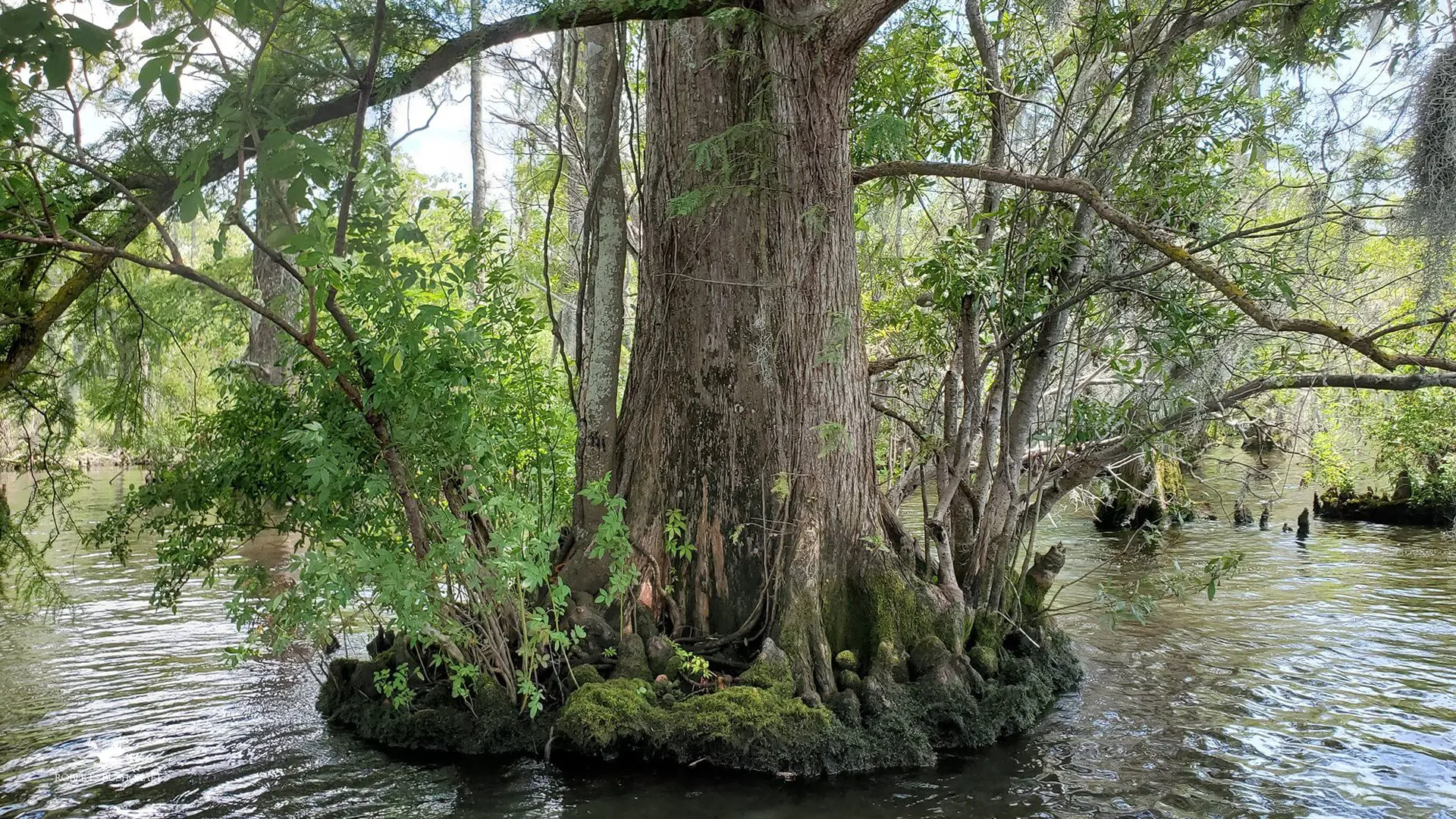
There are many places where the moss rule falls apart completely. In deep forests where overhead canopy blocks most light, the entire trunk of a tree may be shaded throughout the day. Moss will grow on every side equally, wrapping the base like a green collar.
If the ground slopes or rain runs down one specific face, that wet side may grow more moss regardless of direction. Wind-driven rain can soak the west face of trees in some regions. River bottoms collect fog and dew that cling to the east sides as the morning sun rises over nearby ridges. Even the bark itself plays a role. Some species accept moss readily, while others resist it.
Because of these variables, you might find a tree covered on the southern side, another with no moss at all, and a third with a ring of thick moss around the entire trunk. The pattern you expect may not appear at all.
Examples From the Field

Walk through a mountain hollow after a week of cool, wet weather, and every trunk may look the same. In contrast, walk a ridge with strong afternoon sun, and you will often see the shaded eastern sides supporting more moss. In swampy terrain or coastal forests, humidity is so constant that moss grows in every direction without a hint of a compass bearing. In pine forests with thick duff, very little moss grows on trunks because the bark sheds water too quickly.
Experienced woodsmen do not trust any single sign. They read patterns together. They look at the terrain, the sky, the vegetation, and the weather as one system rather than a series of unrelated clues.
The Science of Moss Growth
Moss is nonvascular plant life. It does not have true roots, so it absorbs water directly through its leaves and surface. It needs consistent moisture, and it suffers under long periods of dry sun. This is why shaded slopes, north-facing rock walls, and the bases of trees often carry large mats of it.
However, moss does not orient itself to magnetic north. It has no biological mechanism for compass alignment. It simply grows where conditions are right. This means moss is a reflection of microclimate rather than a reliable indicator of direction.

Moss can be a small part of a larger navigation strategy, but it should never be your only method. It can help confirm what your other senses and skills are telling you. For example, if the sun is low in the western sky and a tree has noticeably thicker moss on a cooler side that matches your expectation, that is one more data point. But if the moss pattern contradicts the terrain or the sky, trust the larger patterns instead of the bark.
Reliable Ways to Find Direction
Your Compass
A compass is still the most dependable tool in the woods. It weighs next to nothing and does one thing with perfect consistency. Every serious outdoorsman carries one. It should be the first tool you reach for when orientation matters.
Tree Growth Patterns
In open areas, trees often grow fuller on the southern side where sunlight is strongest. Branch density and trunk lean can hint at general direction, but like moss, this should be treated as a supporting clue rather than proof.
Weather and Wind Patterns
In some regions, prevailing winds shape trees over decades, causing them to bend slightly or lose branches on the windward side. This can be useful when combined with other signs, especially in coastal environments where wind direction is consistent.
Why Isn't the Sun a Reliable Way to Find Direction?
Most people say the sun rises in the east and sets in the west, but that is only true on two days of the entire year. Around March 20 and September 22, the sun rises due east and sets due west. Those are the equinoxes, when day and night are roughly equal. Out in the field, where navigation decisions matter, this small misunderstanding can lead you in the wrong direction.
This matters when you are moving through deep woods or crossing open country. In the summer, the sun comes up north of east and sets north of west. The days feel long because the sun is spending more time arcing across the northern sky. In the winter, everything shifts the other way. The sun rises south of east and sinks south of west, shortening the daylight and changing the angle of the shadows across the forest floor.
Once you understand this pattern, the land begins to speak a little clearer. The season tells you where the sun should be. The angle of morning light tells you roughly where true east lies, even without a compass. It is not a trick or a guess. It is an old woodsman’s habit shaped by years of watching the horizon.
The sun is a guide, but not a perfect one. Know its seasonal drift, and you will read the world with greater confidence.

Moss is beautiful, ancient, and resilient. It clings to stone and wood in quiet places that most people never notice. It is a signpost of moisture and shade, but it is not a compass. The old saying that moss grows on the north side of trees tells only a small part of the story. When you step into the wild, you need the whole truth. Good navigation comes from reading many signs at once and letting them speak together. Trust your compass, trust your observations, and let moss be one voice among many.