- Details
- Curry Roberts
- Field Notes
- 978
When disaster strikes, communication is often the first system to fail. Cell towers jam, power lines fall, and internet networks go dark. We have seen it again and again.









When disaster strikes, communication is often the first system to fail. Cell towers jam, power lines fall, and internet networks go dark. We have seen it again and again.

The air carried that unmistakable chill of fall, fifty degrees, crisp and clear. It was the kind of day that makes you reach for long sleeves and feel grateful for the warmth of motion.

When you pick up the Cold Steel SRK (Search and Rescue Knife) for the first time, there’s an immediate sense of purpose. That's exactly what I felt when I held it. It’s not a flashy showpiece or a tactical gimmick; it’s a straightforward, field-ready knife built for people who actually use their gear. From the heft in your hand to the clean grind lines on the blade, the SRK gives off a quiet confidence that says, “I’m ready for work.” This is our first Cold Steel blade, and SRK has made an impression.
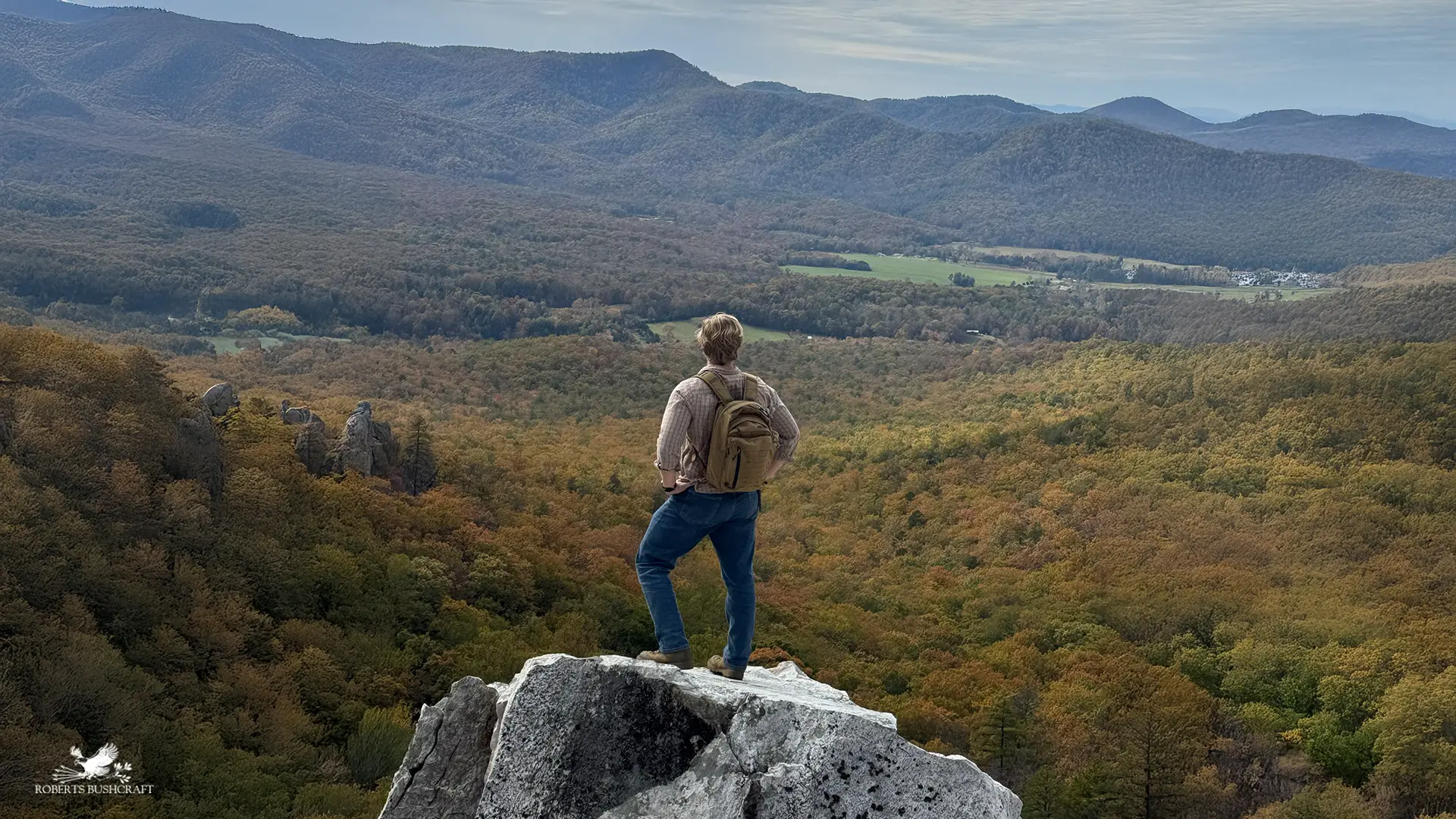
The trail to Devil’s Marbleyard in Natural Bridge Station, Virginia, is a test of both nerve and endurance. It begins quietly through Jefferson National Forest, a shaded and rocky path that feels like any other Appalachian hike. Then the trees open, the ground tips upward, and the world turns to stone.

Mount Washington in New Hampshire is famous for its beauty, but also for its danger. It has some of the worst weather on Earth, with hurricane-force winds, sudden snow squalls, and temperatures that can drop from mild to deadly in minutes.