







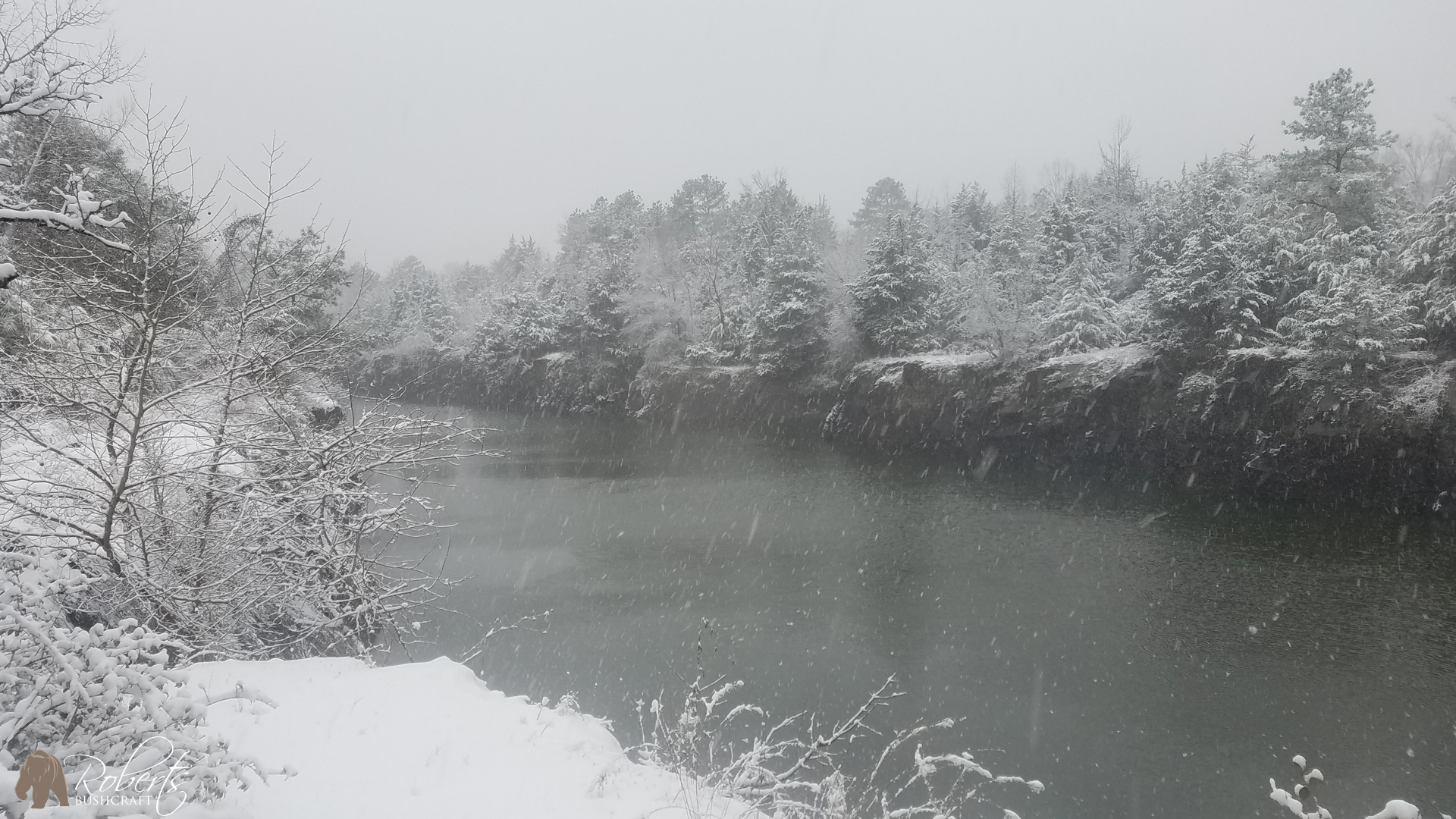
North Carolina sits at a crossroads of weather patterns. When cold air from the north collides with moisture moving in from the Gulf or the Atlantic, winter storms here can escalate quickly. Forecasts suggesting the potential for a major snow event this weekend are not something to brush aside. Even a few inches of snow can disrupt travel, strain power infrastructure, and leave communities isolated for days.
Preparation is not panic. It is simply respect for the reality that the weather does not negotiate.
Understand What Makes Southern Snow Dangerous
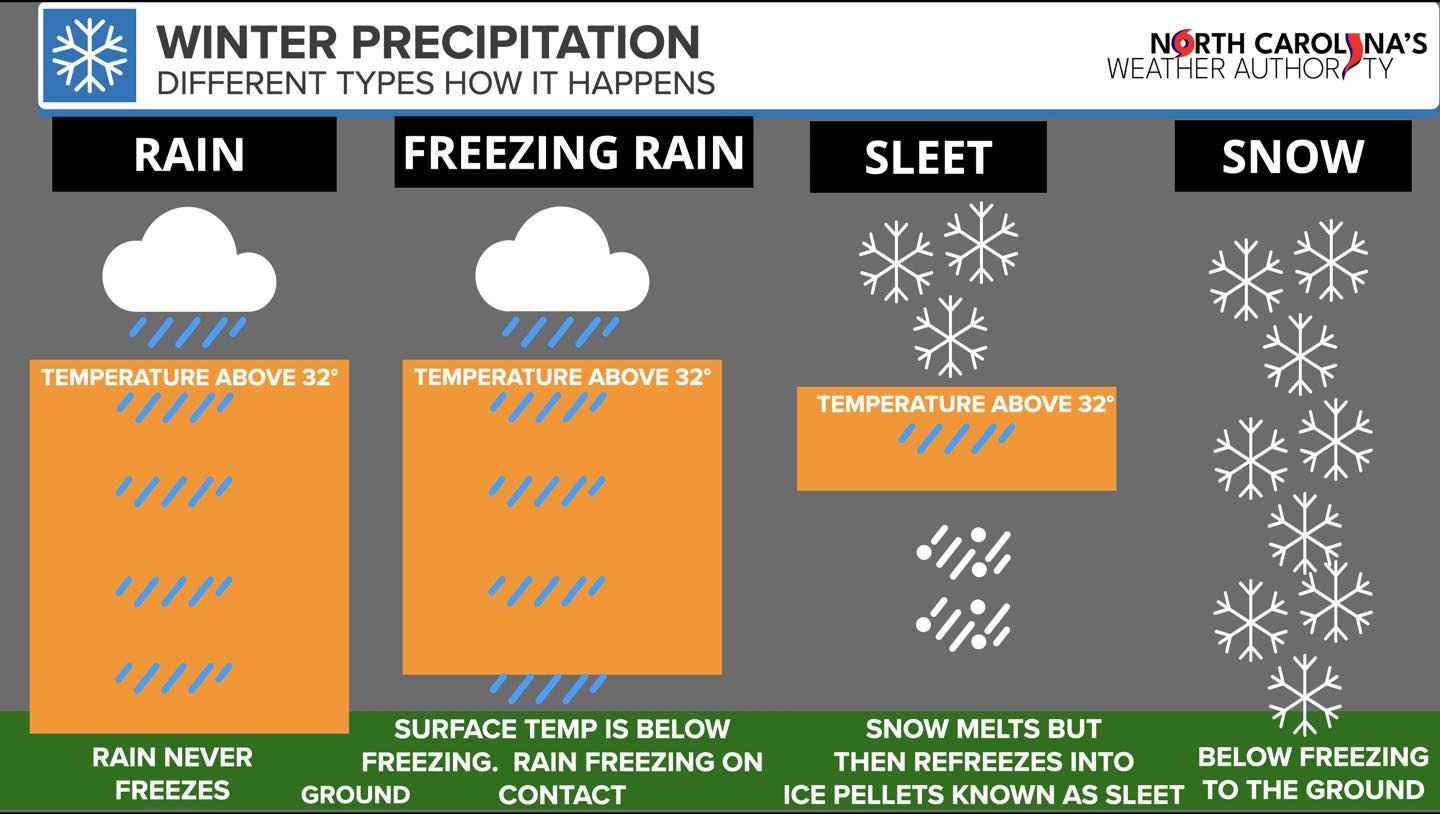
Snow in North Carolina behaves differently from that in northern states. Roads are treated less aggressively, bridges ice over quickly, and power lines are more vulnerable due to a mix of snow, sleet, and freezing rain. Trees still holding dead leaves or weakened limbs often come down under the added weight, increasing the risk of outages.
Because events like this are less frequent, the margin for error is smaller.
Home Preparation Comes First
Start with heat, water, and light.
If you rely on electricity for heating, plan for alternatives. Fireplaces, propane heaters rated for indoor use, or safe backup heat sources should be checked now, not during an outage. Never run generators or grills indoors or in garages, even with doors open.
Water is often overlooked in winter storms. If you are on a well, a power outage means no water. Store enough drinking water for each person and pet for at least three days. Fill bathtubs ahead of time for non-drinking use.
Check flashlights, headlamps, and lanterns. Replace batteries. Candles should be a last resort and used with care, especially in homes with children or pets.
Food and Cooking Readiness
Plan meals that do not require electricity. Shelf-stable foods, soups, rice, beans, and ready-to-eat items reduce stress when conditions deteriorate. If you have a camp stove or propane burner, ensure it is used outdoors only, and that fuel is on hand.
If you live in a rural area, assume you may not be able to leave for several days.
Vehicle and Travel Planning
If you must travel, rethink it now. In North Carolina, winter storms usually begin with freezing rain or sleet. Roads ice over before snow accumulates, and that early window is when accidents are most common.
Top off fuel tanks ahead of time. Keep a vehicle emergency kit that includes blankets, water, snacks, a flashlight, and a phone charger. If you get stuck, staying with the vehicle is usually safer than trying to walk out.
If you do not absolutely need to be on the road, stay home.
Protect Pipes and Property
Frozen pipes cause more damage than snow itself. Insulate exposed pipes, especially in crawl spaces and exterior walls. Let faucets drip slowly during extreme cold to prevent freezing. Open cabinet doors under sinks to allow warm air to circulate.
Bring in outdoor items that could become projectiles in high winds or be damaged by ice.
Community and Personal Awareness
Check on neighbors, especially the elderly or those with medical needs. A simple call or text before the storm can make a difference later.
Keep phones charged and avoid unnecessary use during outages to conserve battery life. Follow local emergency management updates and weather alerts from reliable sources.
Let's Hope for the Best, Prepare for the Worst
Winter storms in North Carolina are not routine, which is exactly why preparation matters. The goal is not to be alarmist, but to be ready. When the snow starts falling and the wind begins to howl, the best place to be is already prepared, warm, and off the roads.
The weather will do what it always does. Preparation determines how well we meet it. Stay warm and safe!