




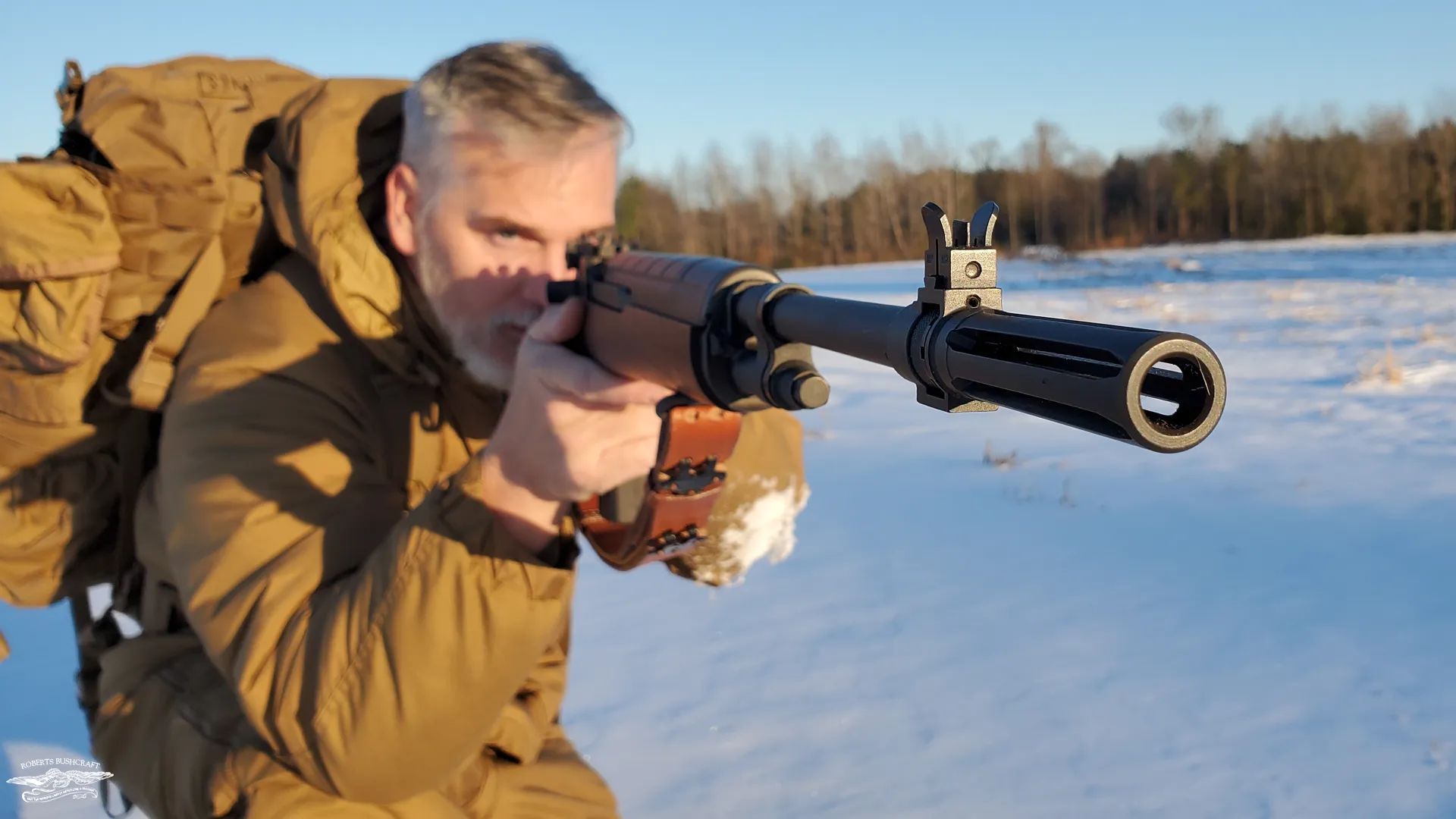
A new directive from the Trump administration has initiated a review of federally managed lands that could result in expanded access for hunters, anglers, and other outdoor recreationists. The move signals renewed emphasis on public land access as a cornerstone of wildlife management and conservation funding.
The order directs federal land management agencies to examine existing restrictions and identify areas where hunting access could be responsibly expanded while maintaining environmental safeguards and habitat protections.
Conservation Groups Weigh In
Leaders in the conservation community have responded with cautious optimism, emphasizing that expanded access must remain tied to science-based management and long-term stewardship.
Joel Pedersen, president and CEO of the Theodore Roosevelt Conservation Partnership, highlighted the role hunters and anglers play in sustaining America’s conservation model.
“Hunters and anglers are the backbone of America’s conservation model,” Pedersen said, noting that access decisions must ensure wildlife populations and habitats remain healthy for future generations.
Pedersen emphasized that expanding access, when paired with responsible management, can strengthen conservation outcomes rather than undermine them.
Industry Perspective on Public Access
Industry groups echoed similar themes, stressing the importance of access in maintaining participation and conservation funding.
Lawrence G. Keane, Senior Vice President for Government and Public Affairs at the National Shooting Sports Foundation, pointed to the financial role sportsmen play in wildlife conservation.
“Public access is critical to keeping Americans engaged in hunting and shooting sports,” Keane said. “That participation directly supports conservation through excise taxes and license revenues.”
Keane added that reducing unnecessary barriers to access helps preserve hunting traditions while sustaining the funding mechanisms that support state wildlife agencies nationwide.
What Happens Next
The directive does not automatically open new lands to hunting. Instead, it begins a review process involving the Department of the Interior, the Bureau of Land Management, and the U.S. Fish and Wildlife Service.
Any proposed changes would still be subject to environmental analysis, public comment, and coordination with state wildlife authorities before implementation.

A Broader Conversation About Public Lands
The review revives a long-standing national debate over how public lands should be used and who they are meant to serve. Supporters argue that regulated hunting is not only compatible with conservation but essential to it.
As agencies conduct their evaluations, the final impact will likely vary by region and habitat, but the broader conversation about access, conservation, and tradition is clearly back in the spotlight.